Concrete Leveling & Void Filling
A sunken driveway panel or a hollow spot under the garage floor is usually fixable without replacing the concrete.
Serving Copperas Cove, Killeen, Harker Heights, Nolanville, Gatesville, Lampasas
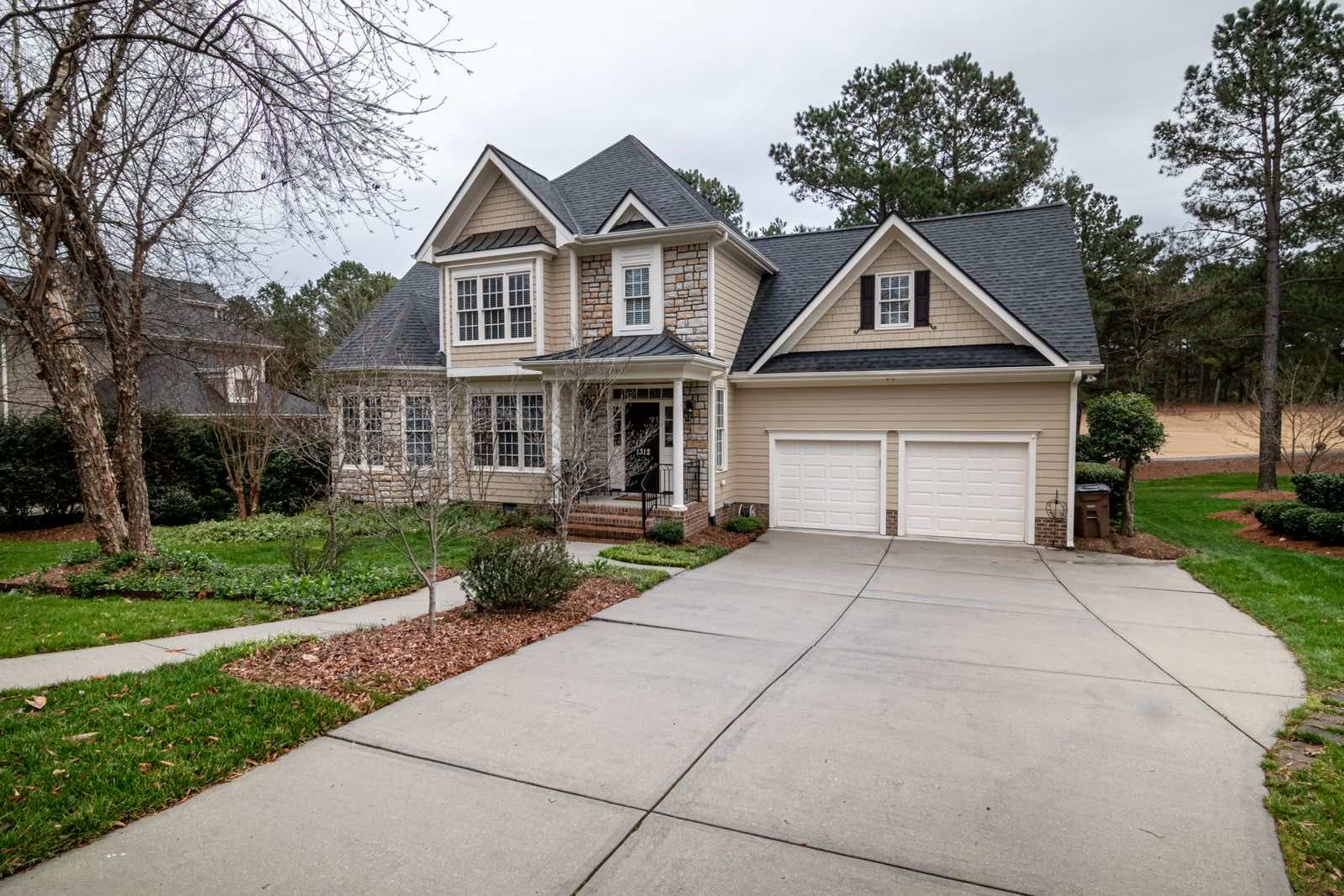
When exterior concrete settles — a driveway panel dropping at the joint, a patio pitching back toward the house, a sidewalk section becoming a trip hazard — the flatwork itself is often still sound. What failed is the support underneath it. Lifting the existing slab back into position costs considerably less than demolishing and repouring.
Two methods dominate. Mudjacking pumps a cementitious slurry through small holes to raise the slab hydraulically. Polyurethane foam injection uses a lighter expanding polymer, generally through smaller holes, with faster cure and far less added weight on already-questionable soil.
One important distinction the marketing usually blurs: the Texas Section ASCE guidelines separate grouting, which provides continuous support without lifting appreciably, from mudjacking, which is done to adjust elevations. They also caution against injecting beneath an underpinned foundation where soil swelling in the injected area could damage the structure. For a living-area slab in expansive clay, foam and mud are a void-fill and support measure — not a substitute for piers.
Common requests
- Driveway panels that have dropped at the control joints
- Sidewalk and walkway sections creating trip hazards
- Patios and pool decks pitching the wrong direction
- Garage floors with hollow-sounding or settled sections
- Voids under a slab identified during an inspection
- Approach slabs settling away from the garage or front step
Signs it's time
- A visible lip between two adjoining concrete sections
- Water pooling on flatwork, or draining toward the house instead of away
- A hollow sound when the slab is tapped
- Doors or gates dragging on a settled walkway
- Gaps opening between flatwork and the foundation edge
Good to know
- Published ranges: mudjacking commonly $3–$8 per square foot, polyurethane foam roughly $5–$25 per square foot. Foam costs more per foot but weighs far less and cures much faster.
- Expect a minimum mobilization charge. Small jobs frequently start near $1,200 even for a couple hundred square feet — the single biggest source of sticker shock on this service.
- This is generally the right tool for flatwork and voids, and the wrong tool as a standalone fix for a structurally settled living-area slab. If a proposal offers foam injection instead of piers for your house slab, get an engineer's opinion first.
- ASCE guidance specifically cautions against injecting grout beneath an underpinned foundation when soil swell in the injected zone could damage the structure.
- Separately, slab cracks of roughly 1/32 inch and wider are candidates for epoxy injection to restore stiffness across the crack. If the goal is only keeping moisture or insects out, a sealant is the appropriate product instead.
Concrete Leveling & Void Filling — frequently asked questions
Mudjacking or polyurethane foam — which should I get?
Foam is lighter, cures in minutes rather than hours, uses smaller injection holes, and is less sensitive to washout — but costs more per square foot. Mudjacking is cheaper and well-proven for heavy flatwork. For a driveway on questionable soil, the weight difference is a genuine argument for foam.
Can concrete leveling fix my house's foundation?
Generally no, and this is worth being direct about. Injection fills voids and supports a slab; it does not transfer load to a deeper bearing stratum the way piers do. For a settled living-area slab in expansive clay, it is a support measure rather than a structural repair. Get an engineer's opinion before accepting injection as the whole solution.
How long does it last?
It depends entirely on why the concrete settled. If the cause was a one-time void — poor compaction at backfill, an eroded spot, a repaired leak — lifting can last indefinitely. If the underlying soil is still moving seasonally, the flatwork will move again. Ask the contractor what they believe caused it.
Will the injection holes be visible?
Yes, though they're small — foam typically uses smaller holes than mudjacking — and they're patched afterward. On a decorative or stained surface, discuss appearance expectations before work starts.
Get an estimate for concrete leveling & void filling
Describe what you're seeing, attach photos if you have them, and get a clear next step — with no obligation.