Foundation Evaluation & Elevation Survey
Before you spend fifteen thousand dollars on piers, spend a fraction of that finding out what you actually need.
Serving Copperas Cove, Killeen, Harker Heights, Nolanville, Gatesville, Lampasas
This is the service most worth understanding, because Texas law draws a sharper line here than most homeowners realize. Under the Texas Engineering Practice Act — as applied by the Texas Board of Professional Engineers and Land Surveyors in its 2017 advisory opinion — analyzing the cause of a foundation condition or recommending an engineering remedy is the practice of engineering. Only a licensed Texas professional engineer may do it.
A TREC-licensed real estate inspector is required to report visible indications of adverse foundation performance, but is not permitted to determine the cause. A foundation repair salesperson can legally do neither — what they can give you is a price for work, which is not the same thing as a diagnosis, and which comes with an obvious conflict of interest.
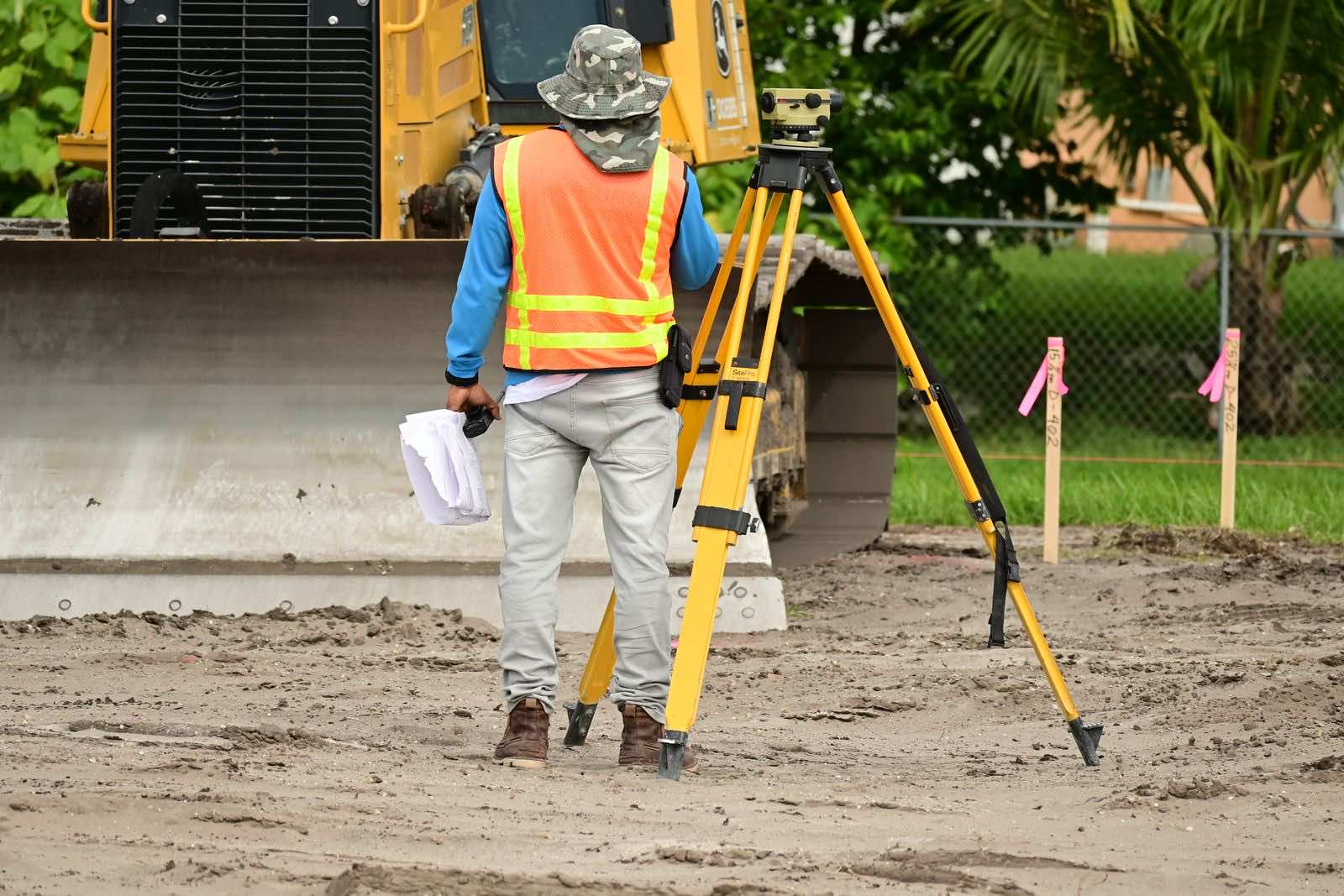
The guidelines define three levels of investigation. Level A is a visual walkthrough. Level B adds a relative floor elevation survey and a drawing of it. Level C adds soil sampling, plumbing testing, materials testing, and detailed distress mapping. Level B is the minimum that produces the elevation data any real repair design needs — so ask which level you're actually buying.
Common requests
- An independent second opinion on a repair proposal
- A relative elevation survey to document the current shape of the foundation
- Pre-purchase evaluation after an inspector flagged foundation performance
- Documentation for a Texas seller's disclosure before listing
- A baseline survey to establish whether movement is ongoing
- An engineered repair plan to bid competitively among contractors
Signs it's time
- A repair proposal that names a pier count without any elevation data behind it
- Two contractors recommending wildly different scopes for the same house
- A home inspection noting adverse foundation performance
- Cracking that appears to be changing, but you can't tell for sure
- Preparing to sell, where Texas law requires disclosure of known structural repairs
Good to know
- Published costs for an engineer's written evaluation run roughly $500–$1,500, driven by home size, additions, and foundation type. Against a $10,000–$25,000 repair, that's inexpensive insurance — and it gives you a defined scope multiple contractors can bid.
- In Killeen an engineer is effectively unavoidable anyway: since March 1, 2022, foundation repair requires a permit, and both compliance paths require either engineer-sealed drawings up front or an engineer-stamped acceptance letter at completion.
- A single floor level survey captures the shape of the foundation at one instant — it may or may not indicate movement. Establishing that a foundation is actively moving requires repeated surveys over months or years. Anyone diagnosing 'active movement' from one visit is guessing.
- The guidelines reference the IRC's L/360 deflection criterion, and note that a floor slope greater than 1 percent is usually noticeable. Deflection beyond L/360 combined with sufficient visible symptoms is generally the threshold at which an engineer has grounds to recommend remediation.
- Texas engineering rules prohibit 'plan stamping' — an engineer may seal only work performed by them or under their direct supervision. If a repair company supplies its own engineer, ask about that relationship directly.
Foundation Evaluation & Elevation Survey — frequently asked questions
Do I really need an engineer?
Legally, in most cases no. Practically, it's the difference between buying a diagnosis and buying a sales pitch. Only a licensed Texas PE may determine the cause of foundation distress or recommend an engineering remedy. For $500–$1,500 against a five-figure repair, an independent report gives you both a real diagnosis and a scope you can competitively bid. In Killeen, the permit process requires an engineer regardless.
What is a relative elevation survey?
A measurement of floor elevations at many points throughout the house, plotted to show the current shape of the foundation — where it's high, where it's low, and by how much. It's the Level B investigation in the Texas Section ASCE guidelines, and it's the data any credible repair design is built on.
How can I tell if my foundation is still moving?
Only by measuring more than once. A single survey is a snapshot; movement is established by repeated surveys over months or years. In the meantime, mark and date the ends of your cracks and photograph them — a quarter-inch crack that hasn't changed in fifteen years is less concerning than a hairline crack that doubled over one summer.
Is the free inspection from a repair company the same thing?
No. A free inspection from a company that sells piers is a sales call, and Texas rules don't permit an unlicensed contractor to render an engineering opinion on cause anyway. That doesn't make it worthless — it's a useful way to get a price — but it isn't a diagnosis and shouldn't be treated as one.
Get an estimate for foundation evaluation & elevation survey
Describe what you're seeing, attach photos if you have them, and get a clear next step — with no obligation.