Pier & Beam Repair & Floor Leveling
Older homes move differently than slabs do — and they can usually be adjusted rather than underpinned.
Serving Copperas Cove, Killeen, Harker Heights, Nolanville, Gatesville, Lampasas
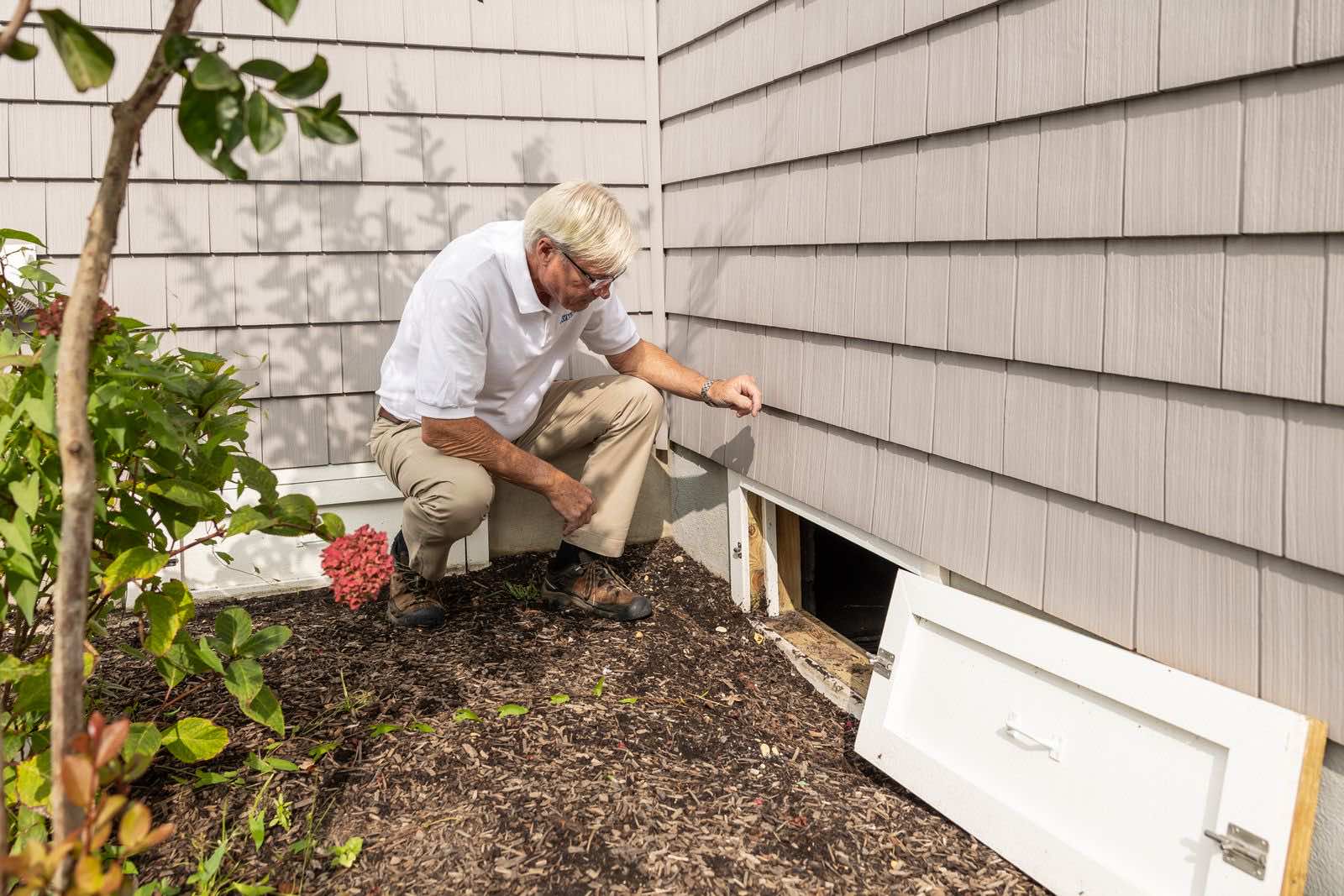
Most of this region is slab-on-grade, but not all of it. Lampasas has the oldest housing stock in the area — well over a third of its homes predate 1960 — and Gatesville isn't far behind. Those older homes are where raised pier-and-beam foundations still live, and they call for an entirely different kind of work.
The advantage of pier and beam is that it's adjustable. A slab that has settled must be underpinned and lifted; a raised floor that has sagged can often be brought back with shims, additional supports, and repairs to the wood structure itself. The Texas Section ASCE guidelines lay out the real scope: floor shimming, framing repairs, added supports where spans exceed design loads, re-establishing void space, and under-floor moisture control.
The disadvantage is that wood in a damp crawl space is on a clock. Sill plates rot, joists sag and split, and piers settle or deteriorate. Moisture control isn't a side item here — it's usually the reason the structural work became necessary in the first place.
Common requests
- Floors that sag, slope, or feel bouncy underfoot
- Rotted or crushed sill plates on top of the perimeter beam
- Sagging, split, or under-supported floor joists
- Deteriorated or settled interior support piers
- Shimming to bring floor elevations back into tolerance
- Crawl space ventilation, drainage, and ground clearance corrections
Signs it's time
- A noticeable dip or slope walking across a room
- Floors that flex or bounce when someone walks past
- Gaps opening between the floor and the baseboard
- A musty smell from the crawl space, or visible standing water under the house
- Doors in older rooms that have gone progressively out of square
Good to know
- The Texas Section ASCE guidelines describe a floor slope greater than 1 percent — about ⅛ inch per foot — as usually noticeable. But those same guidelines caution that older homes were never built flat, so deviation measured over only a few feet can be original construction rather than movement.
- Warranty terms here are completely different from slab piering. Shimming and adjusting commonly carry 3–5 year warranties, and understructure wood replacement sometimes as little as one year. Any company advertising a 'lifetime warranty' while selling you shimming is conflating two very different products.
- Crawl space access height drives cost more than almost anything else. A 30-inch crawl and an 18-inch crawl are very different jobs at the same square footage.
- ASCE guidance recommends treated lumber for framing repairs and calls for cross ventilation, under-floor drainage, and proper ground clearance for beams and joists.
- Fix the moisture source or the repair is temporary. Rotted wood is a symptom of a wet crawl space, and replacing it without addressing drainage buys time rather than a solution.
Pier & Beam Repair & Floor Leveling — frequently asked questions
How much does pier-and-beam leveling cost?
Less per visit than slab underpinning, but published ranges for this market vary too widely to quote honestly. Cost is driven by crawl space access height, the number of interior supports involved, and how much sill plate or joist material has to be replaced. An on-site look is genuinely necessary here — this is not a service that can be priced from a photo.
Can a sagging floor just be shimmed?
Sometimes, and that's the appeal of a raised foundation. But shimming a floor that sagged because the sill plate is rotting only hides the problem. Any competent assessment inspects the wood and the moisture conditions before deciding whether shims are the answer.
How long does a pier-and-beam warranty last?
Typically 3–5 years for shimming and adjusting, and as little as one year for understructure shimming and wood replacement — usually limited to the specific area worked. Read the actual warranty document; the differences between companies are substantial.
Is my crawl space supposed to be damp?
No. Standing water, saturated soil, and a persistent musty odor all indicate a drainage or ventilation problem. ASCE guidance treats under-floor moisture control — cross ventilation, drainage, and adequate ground clearance for wood members — as part of proper pier-and-beam repair, not an optional add-on.
Get an estimate for pier & beam repair & floor leveling
Describe what you're seeing, attach photos if you have them, and get a clear next step — with no obligation.